Why Sustainable Box Packaging Matters for the Environment and Business?
Sustainable box packaging plays a critical role in today's eco-conscious business landscape. Companies are beginning to understand its importance. Consumers increasingly prioritize sustainability in their purchasing decisions. This trend is reshaping the market.
Sustainable box packaging reduces waste and lowers carbon footprints. It promotes responsible sourcing and encourages recycling. Many businesses still use traditional packaging. This reliance may lead to missed opportunities. Brands that adopt sustainable practices can attract environmentally aware customers. However, not all sustainable options are perfect. There may be higher initial costs or challenges with sourcing. Addressing these issues is essential for progress.
As awareness increases, the demand for sustainable solutions grows. Companies must balance profitability with environmental responsibility. Failure to adapt can result in obsolescence. Sustainable box packaging is both a challenge and an opportunity. How businesses respond to this change will define their future.
Importance of Sustainable Packaging in Modern Business Practices
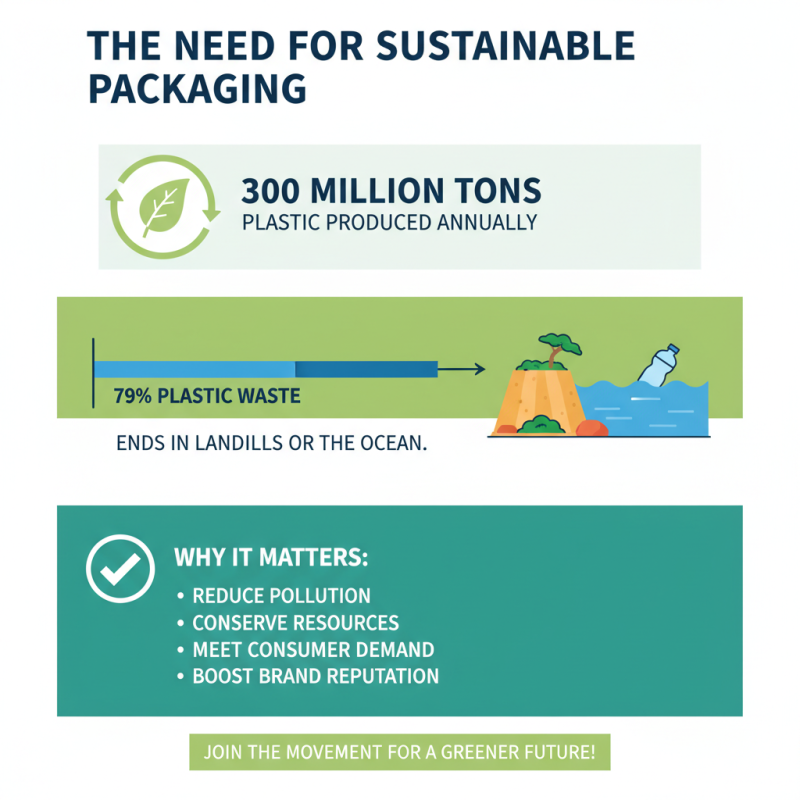
Sustainable packaging plays a crucial role in modern business practices. With around 300 million tons of plastic produced each year, brands face growing pressure to adopt eco-friendly solutions. A recent study from the Ellen MacArthur Foundation revealed that 79% of plastic ends up in landfills or the ocean. This statistic underscores the urgent need for sustainable alternatives.
Consumers are increasingly looking for brands that prioritize the environment. According to a survey by Nielsen, 66% of global consumers would pay more for sustainable products. Businesses can lose customers if they ignore this trend. Packaging materials like recycled cardboard and biodegradable plastics are becoming essential. They not only reduce environmental impact but also enhance brand loyalty.
Yet, challenges exist. Not all sustainable options are affordable or effective. Some companies struggle to balance cost and eco-friendliness. Additionally, not every consumer fully understands the benefits of sustainable packaging. Education remains a hurdle. Brands must work to inform customers and innovate continuously. Real change requires effort beyond mere compliance with regulations. Addressing these gaps is vital for long-term success in sustainability.
Environmental Benefits of Using Sustainable Box Packaging
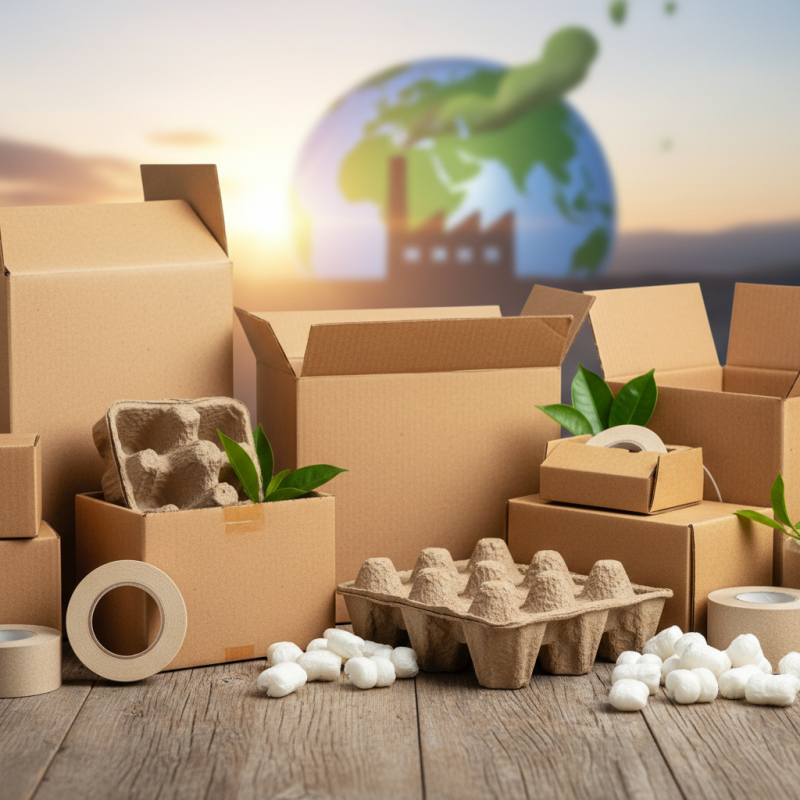
Sustainable box packaging offers significant environmental benefits. It reduces waste and conserves resources. Traditional packaging often ends up in landfills, contributing to pollution. In contrast, sustainable options use recyclable or biodegradable materials. This means they break down naturally, reducing long-term environmental harm.
Using sustainable packaging also saves energy. The production process often consumes less water and emits fewer greenhouse gases. Furthermore, many consumers prefer eco-friendly options. They are more likely to choose brands that prioritize sustainability. This shift can incentivize businesses to adopt greener practices, aligning profit with purpose.
However, there are challenges. Not all sustainable materials are cost-effective. Small businesses might struggle to afford them. Additionally, consumer awareness varies. Some people may not understand the benefits of sustainable choices. Companies must educate their customers. They should communicate the positive impact of switching to sustainable box packaging. This step can drive change in consumer behavior and foster a healthier planet.
Economic Advantages of Investing in Eco-Friendly Packaging Solutions
In today's business landscape, eco-friendly packaging is not just a trend; it's a necessity. Companies are recognizing the economic advantages of investing in sustainable box packaging. By choosing materials that are recyclable or biodegradable, businesses can reduce waste significantly. This shift often leads to lower disposal costs and less environmental compliance fees.
Moreover, consumers are increasingly drawn to brands with green initiatives. They are willing to pay a premium for products in sustainable packaging. This creates an opportunity for businesses to enhance brand loyalty while increasing profit margins. Companies that ignore this shift risk alienating their customer base. It's a wake-up call for those who cling to traditional packaging methods.
However, the transition can be challenging. Finding the right sustainable materials may require research and investment. Some companies struggle with the upfront costs of eco-friendly packaging solutions. They need to weigh short-term costs against long-term benefits. Many are still hesitant, allowing the fear of change to overshadow potential growth. Embracing sustainability in packaging requires perseverance and a willingness to evolve.
Challenges and Solutions in Implementing Sustainable Packaging
Sustainable box packaging is not only beneficial for the planet but also has its challenges. Many companies struggle to find materials that are both eco-friendly and cost-effective. Sourcing sustainable materials can be complicated. Sometimes, these materials are in limited supply. This drives up prices, making it harder for small businesses to compete.
Implementing sustainable packaging also requires a mindset shift. Employees need training to understand the importance of these materials. Some may resist this change; they are used to traditional packaging. There is often a learning curve associated with new processes. It takes time and effort to fully integrate sustainable practices into an organization’s supply chain.
Despite these hurdles, solutions do exist. Businesses can collaborate with suppliers who specialize in sustainable materials. They can also invest in research to develop better packaging alternatives. It's vital to assess the entire lifecycle of the packaging. This includes production, transportation, and disposal. More transparency can help find the right balance between sustainability and cost-effectiveness.
Future Trends in Sustainable Packaging for Environmental Impact
Sustainable packaging is becoming vital for both the environment and businesses. As consumers grow more eco-conscious, companies must adapt. Future trends will shape how brands approach packaging. Companies are increasingly looking for creative ways to minimize waste and reduce carbon footprints.
One trend is the use of biodegradable materials. These materials are made from natural sources. They break down more quickly than traditional plastics. This helps reduce pollution and landfill waste. Another trend focuses on reusable packaging. Customers appreciate the chance to return packaging. This keeps products out of landfills longer.
**Tip:** Assess your packaging regularly. Look for materials that are eco-friendly. Consider switching to a sustainable alternative.
Innovative designs are also on the rise. Brands are exploring minimalistic options that use less material. This reduces resource use during production. However, companies must ensure that durability is not compromised. Balancing strength and sustainability can be challenging. It requires thoughtful planning.
**Tip:** Engage customers in your sustainability efforts. Share stories behind your packaging choices. Transparency builds trust and loyalty.
Environmental Impact of Sustainable Box Packaging