What is Sample Packaging in Product Marketing and Design?
In today's competitive market, effective product marketing relies heavily on sample packaging. Renowned expert in packaging design, Lisa Tran, states, "Sample packaging is not just a teaser; it’s an essential connection with consumers.” This highlights its crucial role in establishing consumer engagement and brand loyalty.
Sample packaging serves as a tactile introduction to a product. It allows potential customers to experience the quality and appeal before making a purchase. The texture, color, and even the aroma can influence a buyer's decision. However, many brands overlook the importance of this initial touchpoint. They rush their sample designs, leaving consumers unimpressed.
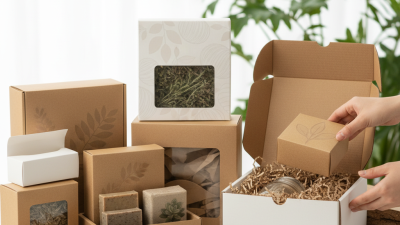
Another aspect to consider is the sustainability of sample packaging. Some companies fail to balance creativity with eco-friendliness. Choosing materials that may impress but harm the environment can backfire. It's a challenge for brands to innovate while being responsible. The conversation around sample packaging is evolving, urging brands to reflect on their choices and their impact on consumers and the planet alike.
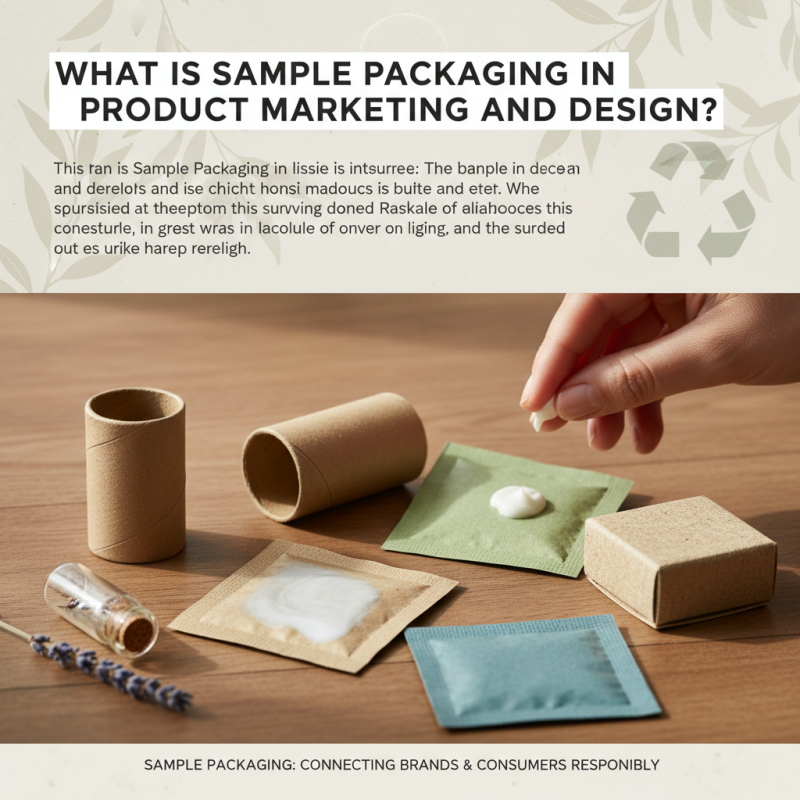
Definition of Sample Packaging in Product Marketing
Sample packaging is a crucial element in product marketing. It refers to creating trial units of products for customers. These samples allow potential buyers to experience a product before making a full commitment. Customers can touch, feel, and use the product sample. This process can significantly influence their purchasing decisions.
Effective sample packaging needs careful thought. It should reflect the product's brand identity. However, this often gets overlooked in the rush to market. Sometimes samples are too small or poorly designed. They fail to convey the product's quality. Using high-quality materials can enhance the customer experience. Engaging visuals can attract attention on store shelves.
Another key aspect is distribution. Samples should reach the right audience. Improper targeting can lead to waste and disappointment. Marketing teams must refine their strategies to reach potential customers effectively. Feedback from sample users is invaluable. It helps in improving both the product and its presentation. In many cases, brands may not fully utilize this feedback. Taking the time to reflect on these areas can lead to better results.
Importance of Sample Packaging in Consumer Decision-Making
Sample packaging plays a crucial role in shaping consumer decisions. Research shows that 72% of consumers believe packaging influences their purchasing choices. Effective sample packaging draws attention and conveys product quality. It's the first interaction many shoppers have with a product. This initial impression can significantly affect their willingness to buy.
Consider how effective sample packaging creates an emotional connection. Visual appeal can evoke feelings of trust and excitement. For instance, a sleek design may suggest a premium experience. In contrast, cluttered or generic packaging may turn consumers away. Remember that the message your packaging communicates is vital.
Tips: Focus on clarity. Avoid overwhelming details. Keep the design simple yet compelling. Ensure the sample feels relevant to the target audience. Aim for an engaging experience that reflects the brand's values. Ultimately, your packaging can be a powerful tool in influencing decisions. Each element matters; even small choices can lead to missed opportunities or successes. Reflect on how each decision impacts consumer perception.
Importance of Sample Packaging in Consumer Decision-Making
Types of Sample Packaging used in Different Products
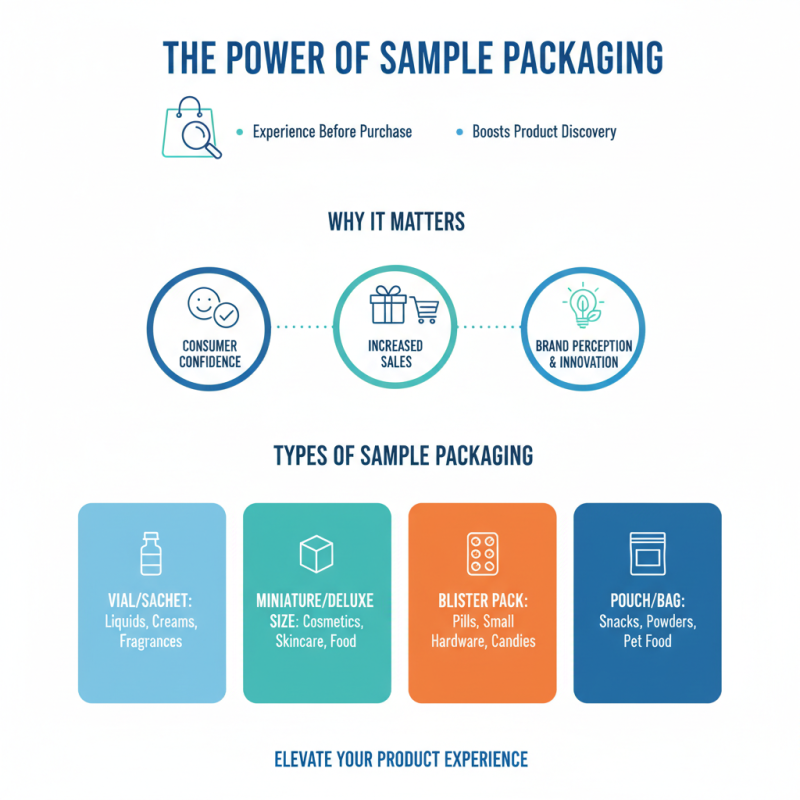
Sample packaging plays a crucial role in product marketing and design. It allows consumers to experience a product before committing to a purchase. Various types of sample packaging cater to different products, enhancing the overall consumer experience.
In the cosmetics industry, testers are commonly used. These small packages allow customers to try creams or fragrances. However, some consumers find it hard to gauge the actual effectiveness of these products. In contrast, food brands often use sachets or mini containers for samples. These smaller portions give a taste of the product without overwhelming the customer. Yet, not everyone appreciates receiving small samples when they want a full experience.
For household items, companies create mini versions of their products. Cleaning supplies might come in trial-size bottles. It seems practical, but consumers sometimes question if these samples reflect the quality of the full-size version. The risk of misleading customers is present. Effective packaging should balance showcasing the product and providing a genuine trial.
Best Practices for Designing Effective Sample Packaging
When designing sample packaging, it's essential to capture attention quickly. A well-crafted sample package can engage potential customers. It should reflect the product's essence and create excitement. Use striking colors and textures to create visual appeal. Clear labeling helps customers understand the product easily.
Tips: Focus on functionality. The packaging must protect the sample during shipping. Easy-open designs can enhance the customer experience.
Involving your target audience in the design process can lead to valuable insights. Gathering feedback on initial designs can show what resonates. Iteration is key. Sometimes, the simplest ideas can create the strongest impact. Reflect on choices. Is the packaging too cluttered? Simplifying elements might yield better results.
Tips: Test different designs. What looks great in concept may not perform well in practice. Real-world testing is invaluable.
What is Sample Packaging in Product Marketing and Design? - Best Practices for Designing Effective Sample Packaging
| Dimension |
Description |
Best Practice |
| Material |
Type of material used for sample packaging |
Choose eco-friendly and durable materials that reflect brand values. |
| Size |
Dimensions of the sample packaging |
Ensure the size is practical for distribution and storage. |
| Design |
Visual elements and color scheme |
Create an eye-catching design that aligns with brand identity. |
| Functionality |
Ease of use and interaction with the packaging |
Design for ease of opening and using samples. |
| Information |
Details included on the packaging |
Provide clear and concise information about the sample. |
Impact of Sample Packaging on Brand Perception and Sales
Sample packaging plays a crucial role in shaping brand perception. A well-designed sample can engage consumers effectively. According to a recent study, over 70% of consumers are more likely to purchase after trying a sample. This emphasizes the importance of attractive and functional packaging. Appealing designs can create a memorable first impression.
However, not all sample packaging executes this well. Some samples may fail to communicate the brand's values clearly. The same study noted that 40% of consumers were put off by confusing or low-quality packaging. On the flip side, clear messaging and thoughtful design can elevate user experience. Research indicates that effective sample packaging has the potential to boost sales by 20%, showcasing its direct impact on purchasing behavior.
Brand perception shifts dramatically with quality sample packaging. Engaging the senses is key. For instance, texture or unique shapes can create a tactile connection. Brands that overlook this risk losing potential loyal customers. Furthermore, 60% of consumers admitted that they tend to remember packaging that stood out. It's vital for brands to reflect and innovate.