
Top 10 Luxury Packaging Trends You Need to Know?

In today's competitive market, luxury packaging is more than just an aesthetic choice. It represents a brand's identity and values. Consumers seek unique experiences, and packaging plays a vital role in that journey. This demand pushes brands to innovate continuously.

Trends in luxury packaging often highlight sustainability, minimalism, and personalization. These elements connect better with consumers, making them feel special. Luxurious materials and intricate designs grab attention. However, it is essential to balance beauty and practicality. Overly extravagant designs may not resonate with everyone.

While it’s crucial to stay on-trend, brands must reflect on their values. Some may struggle with sustainable practices or authenticity. Therefore, understanding the target audience can ensure that luxury packaging truly enhances the overall experience. Embracing innovation while remaining genuine can lead to success.
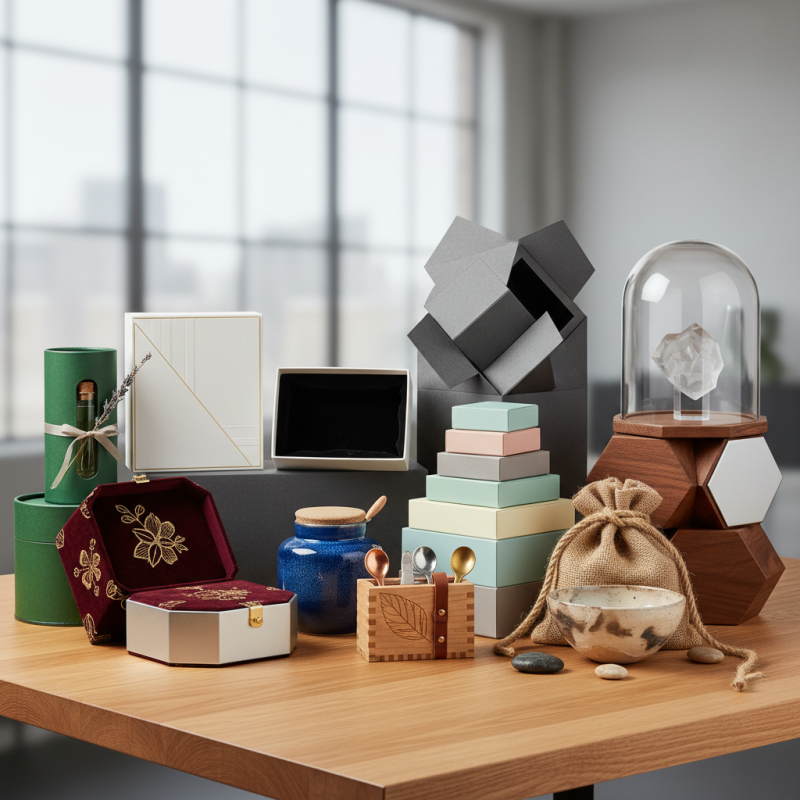
Top 10 Luxury Packaging Trends You Need to Know?

Emerging Materials in Luxury Packaging for Sustainable Practices

Luxury packaging is evolving, focusing on sustainability. New materials are emerging that align with eco-friendly practices. Brands are discovering innovative options that reduce their carbon footprint. Recycled paper is gaining popularity. It's versatile and biodegradable. Brands choose it to promote their commitment to the environment.

Another exciting material is bioplastic. Made from renewable sources, bioplastics offer a sustainable alternative to conventional plastic. They decompose more easily, reducing landfill waste. However, some brands struggle to find the right balance between luxury and sustainability. It's a complex issue that requires careful thought and reflection.

Glass also remains a favored choice. It’s recyclable and gives a premium feel. But it's heavier, increasing transportation costs. Some companies are reconsidering this aspect while maintaining elegance. These emerging materials show promise but come with challenges. The pursuit of sustainable luxury packaging continues.

Top 10 Luxury Packaging Trends You Need to Know

Trend Description Material Sustainability Aspect
Eco-Friendly Inks Use of plant-based and non-toxic inks for printing. Natural pigments Reduced chemical pollution
Biodegradable Materials Packaging that breaks down easily in the environment. PLA, recycled paper Composts without leaving toxic residues
Reusable Packaging Designs that encourage consumers to repurpose containers. Glass, stainless steel Minimizes waste generation
Minimalistic Design Simplistic packaging that reduces material use. Recycled card Less resource consumption
Innovative Closure Systems Smart closures that enhance user convenience and safety. Recyclable plastics Promotes reusability
Smart Packaging Technology Integration of technology for enhanced consumer interaction. RFID, QR codes Reduces counterfeit products
Luxury Recycled Materials Utilizing high-quality recycled materials for luxury appeal. Recycled glass, aluminum Reduces resource extraction
Edible Packaging Innovative packaging that can be consumed with the product. Seaweed, starch-based films Zero waste generation
Personalized Packaging Packaging tailored to individual consumer preferences. Customizable cardboard Increases consumer engagement

Minimalism: The Rising Trend of Elegant and Simple Designs

Minimalism is becoming a dominant trend in luxury packaging. Modern consumers seek simplicity paired with sophistication. A report from Packaging Strategies noted that over 60% of premium buyers prefer understated designs. This trend speaks not only to aesthetics but also to sustainability. Brands are moving toward eco-friendly materials while maintaining elegant appearances.

The focus is now on clean lines, subtle colors, and functional designs. In recent studies, 55% of consumers stated they associate minimal packaging with higher quality. However, there is a challenge. Companies must balance simplicity with brand identity. Too much minimalism can leave products appearing generic. Distinctive elements are essential for market differentiation.

Moreover, 40% of luxury brands struggle with the minimalist approach. They seek to convey luxury without overwhelming consumers. It's a delicate dance. A minimalist design can enhance the unboxing experience. Yet, if executed poorly, it may dilute brand recognition. Striking the right balance between minimalism and brand essence is key.

Interactive Packaging: Engaging Consumers Beyond the Product

Interactive packaging has emerged as a powerful tool for brands to engage consumers. It goes beyond mere functionality, creating a memorable experience. In fact, a recent report indicated that 45% of consumers are more likely to engage with products that offer interactive elements. This means that brands have the opportunity to capture attention and enhance consumer loyalty.

One notable example of interactive packaging is QR codes. These codes allow consumers to access information, promotions, or even augmented reality experiences. Research shows that approximately 70% of consumers who encounter QR codes will scan them. However, brands must consider optimal placement for effectiveness. A poorly located code can lead to consumer frustration and disengagement. It’s crucial to balance creativity and practicality.

Despite the potential, some brands struggle to fully utilize interactive packaging. Limited understanding of technology can hinder success. Additionally, not all consumers are tech-savvy. There’s a risk that an overly complex interactive feature could alienate a portion of the audience. Regular feedback and testing can help bridge this gap. Engaging consumers should not be a one-size-fits-all approach. Smart brands will work diligently to adapt and refine their interactive features for maximum impact.

Limited Editions and Personalization: Crafting Unique Consumer Experiences

Limited editions are gaining traction in luxury packaging, allowing brands to stand out. According to a recent study, 87% of consumers desire more personalized experiences. This trend speaks to the growing demand for uniqueness in consumer products. Packaging that invokes exclusivity can turn a simple item into a coveted treasure.

Personalization extends beyond just aesthetics. Many brands are now using consumer data to inform design choices. This customization can manifest in various ways. Engraving names or creating tailored designs based on consumer preferences resonates strongly. Reports indicate that 65% of consumers are more likely to purchase if a product feels personalized. But, achieving this balance can be challenging.

Brands face hurdles in logistics and production when offering limited editions. Rapid changes in consumer tastes can sometimes outpace the design process. Additionally, brands must carefully manage their supply chains to meet demand. A limited release can backfire if inventory management isn't executed well. These complexities reveal the need for ongoing reflection and adaptation in the luxury packaging space.

Technology Integration: Smart Packaging Innovations in Luxury Brands

Top 10 Luxury Packaging Trends You Need to Know?

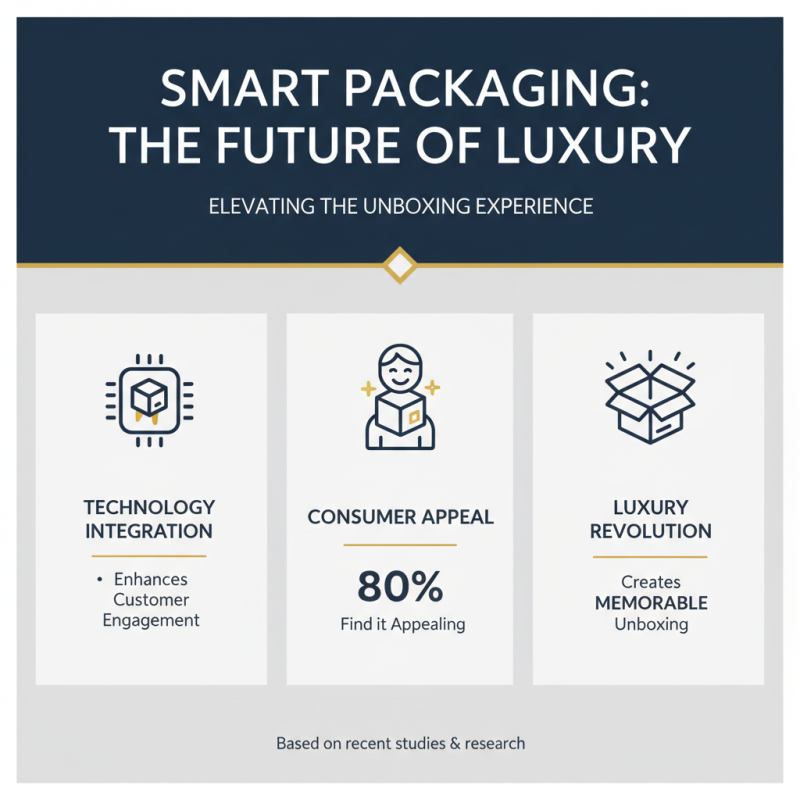
Smart packaging is revolutionizing luxury brands. Recent studies show that integrating technology into packaging can enhance customer engagement. Research indicates that 80% of consumers find smart packaging appealing. It creates a memorable unboxing experience.

For instance, augmented reality (AR) allows customers to interact with products through their smartphones. This feature adds a layer of excitement. Brands can share their story in an engaging way. However, not all consumers embrace this change. Some prefer traditional packaging. It's crucial to balance innovation and consumer preferences.

Sustainability remains a concern. About 70% of luxury consumers expect eco-friendly packaging. Many technological solutions can conflict with sustainability goals. This challenge prompts brands to rethink their strategies. Using recycled materials in smart packaging could be a way forward. Adopting these innovative solutions requires careful planning and market research. How brands respond to these developments will shape their future success.