
10 Essential Tips for Innovative Paper and Packaging Solutions?
In the ever-evolving world of paper and packaging, innovation is key. Businesses face challenges in creating sustainable, cost-effective solutions that resonate with consumers. This landscape is crowded, yet opportunities abound for those willing to think outside the traditional boxes.
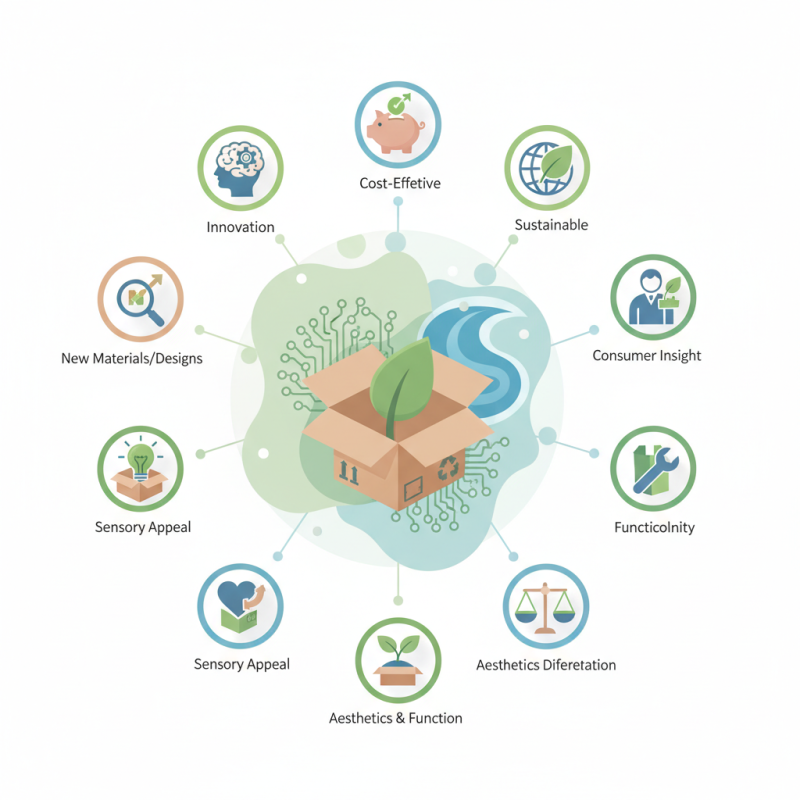
Effective paper and packaging strategies can significantly impact a brand's image. Consumers today demand not just functionality but also creativity and eco-friendliness. Companies must explore new materials and designs that reflect these values. Taking risks can lead to mistakes. Some ideas may flop, but learning from these failures paves the way to success.
Understanding your audience is vital. Packaging should speak to them, enhancing their experience. Consider the sensory appeal, practical aspects, and environmental impact. The balance between aesthetics and function is not easy to achieve. However, a thoughtful approach to paper and packaging can drive innovation and differentiation in the market.
Innovative Trends in Paper and Packaging Solutions for 2023
As we delve into 2023, innovations in paper and packaging solutions are transforming the industry. Recent studies indicate that the global green packaging market will reach USD 600 billion by 2027. This trend reflects consumers' increasing preference for sustainable materials. Packaging made from recycled content is now a hot commodity. Many companies are adopting design standards that prioritize eco-friendly materials.
Moreover, digital printing technology is on the rise. Reports suggest that this sector is expected to grow by 35% in the next five years. Short production runs and customization appeal to many brands. Yet, the challenge lies in balancing cost efficiency with these premium features. Many businesses struggle to integrate advanced technologies within their budget.
Lastly, the emergence of minimalist designs is noteworthy. Simplifying packaging can reduce material waste. However, this approach often risks losing brand identity. Companies must reflect carefully on this trade-off. Striving for innovation means facing these imperfections head-on. It is essential to acknowledge the tension between trends and practicality. In 2023, the journey towards effective and sustainable solutions continues, requiring both bold creativity and thoughtful reflection.
Sustainable Materials: Reducing Carbon Footprint in Packaging Design
The shift towards sustainable materials in packaging design is crucial. With rising environmental concerns, reducing carbon footprints is more important than ever. Many materials, like recycled paper and biodegradable plastics, offer eco-friendly alternatives. These options can decrease waste and lessen the impact on nature. The challenge lies in ensuring these materials maintain functionality and durability.
Innovative designs also play a significant role in sustainability. Using minimalistic packaging can cut down on excess materials. This approach requires thoughtful design that balances aesthetics and practical use. Designers must often question traditional methods and adapt to new materials. Yet, finding the right balance can be tricky. The desire for beautiful packaging sometimes overshadows functional needs.
Collaboration within industries is vital. Sharing ideas and resources can lead to improved sustainable practices. But achieving this collaboration is not always easy. Many are stuck in conventional approaches, making it hard to innovate. There’s a need for ongoing reflection and adaptation in the packaging sector. Only through continuous efforts can we fully embrace sustainable materials and create a greener future.
10 Essential Tips for Innovative Paper and Packaging Solutions
This chart illustrates the percentage of different sustainable materials used in packaging design based on a recent analysis of industry trends. The focus is on reducing the carbon footprint while maintaining packaging efficiency.
Smart Packaging Technologies: Enhancing Consumer Experience and Safety
Smart packaging technologies are reshaping the consumer experience. With the global smart packaging market expected to reach $37.7 billion by 2024, innovation is at the forefront. These technologies enhance safety and convenience for consumers. Interactive packaging features, such as QR codes, allow brands to engage with their users directly.
Consider temperature-sensitive packaging. This ensures products like food and pharmaceuticals maintain their integrity. A recent study revealed that 60% of consumers are willing to pay more for intelligent packaging solutions. However, the challenge remains in educating consumers about these technologies. Many still do not understand the benefits they offer.
Another area of concern is sustainability. While smart packaging can reduce waste, the materials used often lack recyclability. A report showed that 30% of packaging waste is generated from products with advanced technologies. Balancing innovation with environmental responsibility is crucial. The industry must reflect on how to improve without compromising the planet’s health.
Cost-Effective Strategies: Balancing Quality and Affordability in Production
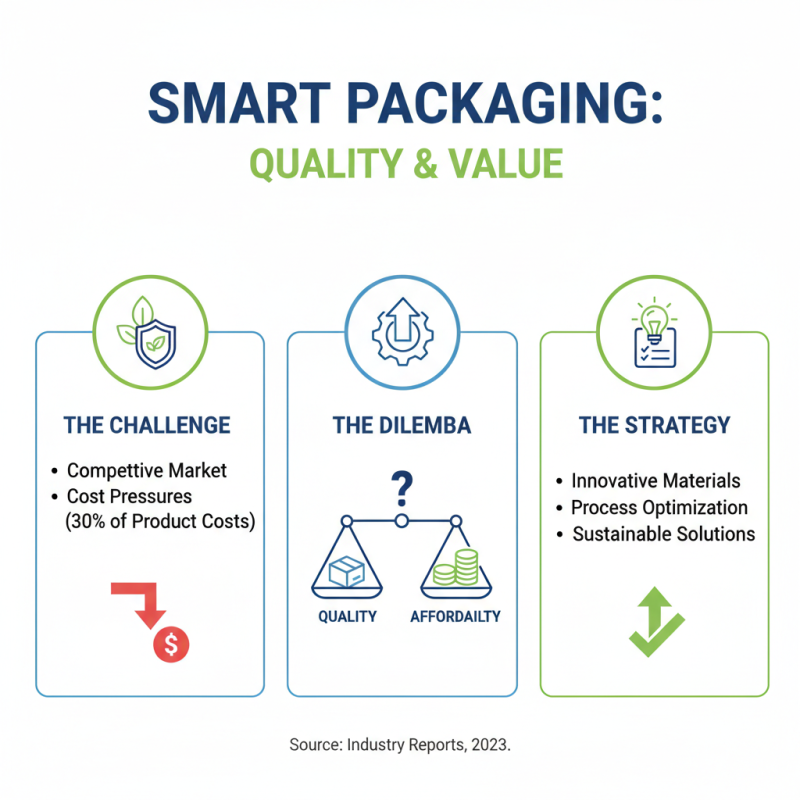
In today's competitive market, balancing quality and affordability in paper and packaging production is crucial. Recent studies show that packaging accounts for nearly 30% of product costs. Companies face pressure to cut costs without compromising quality. Effective strategies are needed to navigate this challenge.
One cost-effective approach is to utilize sustainable materials. Research reveals that 70% of consumers prefer eco-friendly packaging. Switching to recycled materials can reduce raw material costs. However, this transition may involve upfront expenses. Testing and quality assessment are necessary to ensure performance standards.
Investing in technology can also enhance productivity. Automation in packaging processes can lower labor costs. Yet, organizations must evaluate their current workflows. Not all companies may achieve immediate savings. It's essential to monitor the results and adjust as needed. Balancing quality and affordability requires continuous reflection on production methods and consumer preferences.
Digital Transformation: Utilizing Data Analytics for Packaging Optimization
In today’s fast-paced market, digital transformation is crucial for optimizing packaging solutions. Companies increasingly use data analytics to enhance efficiency. By analyzing consumer purchasing patterns, businesses can tailor their packaging designs to meet specific needs. A company might discover that customers prefer sustainable materials. This insight could lead to significant shifts in production practices.
Data analytics can also solve problems like excessive packaging waste. Businesses can monitor how much material is used in each product. Over time, they may identify opportunities to reduce waste without compromising quality. A reflective approach is necessary here. Sometimes, data can mislead if not interpreted carefully. Companies must question the insights they gather.
Additionally, leveraging advanced technology can streamline operations. For instance, implementing automated systems can reduce human error in packaging processes. However, relying too much on technology can create blind spots. Regular assessments are vital. Understanding the balance between data insights and human intuition is essential for innovation. This dual approach may lead to more effective packaging solutions, helping businesses thrive in a competitive landscape.
10 Essential Tips for Innovative Paper and Packaging Solutions
| Tip | Description | Data Analytics Role | Benefits |
|---|---|---|---|
| 1. Use Eco-Friendly Materials | Incorporate sustainable materials to reduce environmental impact. | Analyze material sourcing data for sustainability metrics. | Enhanced brand image and customer loyalty. |
| 2. Optimize Packaging Size | Minimize space and materials used in packaging. | Leverage analytics to determine optimal dimensions for products. | Reduced shipping costs and improved storage efficiency. |
| 3. Implement Smart Packaging | Integrate technology for enhanced user experience and information. | Use data analytics to track consumer interactions with packaging. | Increased customer engagement and data collection. |
| 4. Customize Designs | Tailor packaging designs to target specific demographics. | Utilize market data to identify customer preferences. | Higher sales conversion rates and enhanced brand loyalty. |
| 5. Utilize Recyclable Materials | Choose materials that are easy to recycle to promote circular economy. | Analyze waste management data to improve recycling rates. | Reduction of landfill waste and improved sustainability reporting. |
| 6. Focus on Minimalism | Adopt simple designs to improve product visibility. | Utilize consumer preference data for design simplicity. | Better shelf presence and easier consumer choice. |
| 7. Enhance Durability | Ensure packaging withstands shipping conditions and handling. | Analyze durability testing data for optimal material selection. | Reduced damage costs and improved customer satisfaction. |
| 8. Implement Batch Tracking | Track packaging batches to ensure quality control. | Use analytics for monitoring batch performance and issues. | Quality assurance and improved operational efficiency. |
| 9. Design for Automation | Create packaging that is easy to automate in production. | Analyze production data to enhance automation capabilities. | Increased production speed and consistency. |
| 10. Continuous Improvement | Establish a culture of ongoing optimization in packaging solutions. | Use performance metrics and analytics for improvements. | Sustained market relevance and competitive advantage. |
Related Posts
-
What is Card Box Packaging and Why is it Important?
-

Top Trends in Better Packaging Solutions for 2025 You Need to Know
-
10 Essential Tips for Effective Marketing Boxes Packaging Strategies?
-

2026 Best Printing and Packaging Solutions for Modern Businesses?
-
What is Sample Packaging in Product Marketing and Design?
-

10 Essential Tips for Effective Marketing Boxes Packaging Design?