10 Essential Tips for Effective Printed Packaging Design
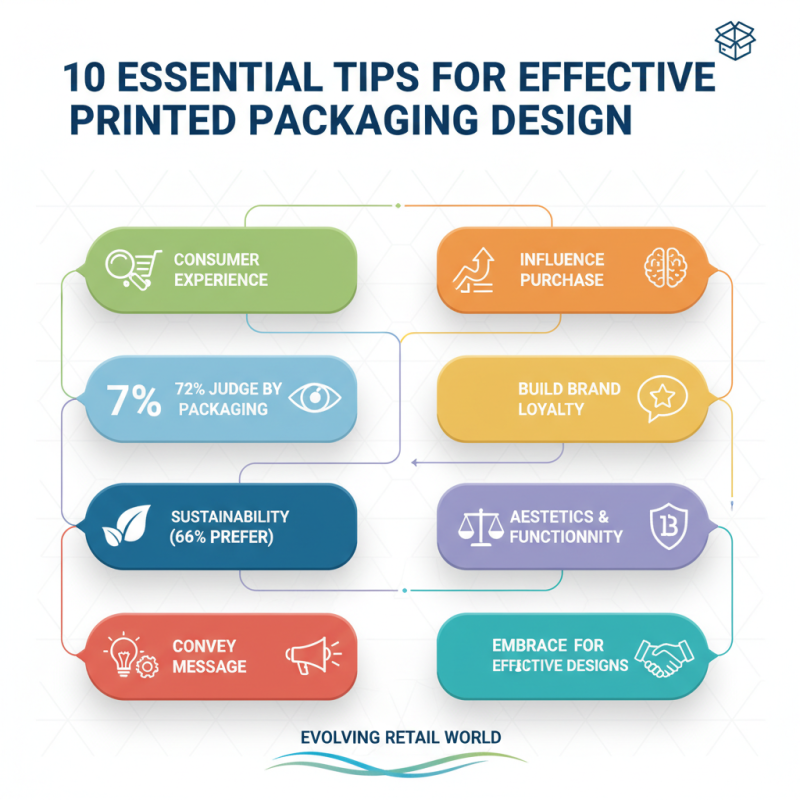
In the rapidly evolving world of retail, printed packaging plays a crucial role in consumer experience. Research shows that 72% of consumers judge a product by its packaging. Effective design can significantly influence purchasing decisions. Experts like Sarah Johnson, a leading voice in the printed packaging industry, state, "Good design not only attracts attention but also builds brand loyalty."
However, creating impactful printed packaging is not without its challenges. Many designers overlook the importance of sustainability, with studies indicating that 66% of consumers prefer eco-friendly packaging. This shift in consumer preferences demands careful consideration in design strategies. Designers must also balance aesthetics with functionality.
Brand identity is another essential factor. Many brands fail to convey their message effectively through packaging. It's crucial for designers to reflect brand values while capturing consumer interest. The printed packaging landscape is changing, and it’s an opportunity for innovation. Embracing these tips can lead to effective designs that resonate with consumers.
Understanding the Importance of Printed Packaging Design in Branding
Printed packaging design plays a crucial role in branding. According to a 2021 study by Packaging Digest, 40% of consumers base their purchasing decisions on packaging alone. This highlights the importance of creating visually appealing and functional designs. Effective printed packaging can elevate a product's visibility in a crowded marketplace. It can also convey brand values, making a strong first impression.
However, not all designs create the desired impact. A misalignment between the packaging and the brand message can lead to confusion. Research from the Paper and Packaging Board showed that 72% of consumers feel a product's packaging reflects the quality inside. This statistic emphasizes how vital it is to maintain consistency in design. Packaging that doesn't match product expectations can result in negative consumer experiences and lost sales.
Additionally, sustainability is becoming a major factor in consumer choices. A LinkedIn report indicated that 65% of consumers are willing to pay more for environmentally friendly packaging. Brands need to adapt to this shift. Failing to do so could alienate a significant portion of the consumer base. Achieving the perfect balance between aesthetics, functionality, and sustainability remains a challenge for many designers today.
Impact of Printed Packaging Design on Brand Perception
This chart illustrates the influence of various aspects of printed packaging design on consumer perception, emphasizing the importance of effective design in branding.
Key Elements of Effective Design: Color Psychology and Consumer Perception
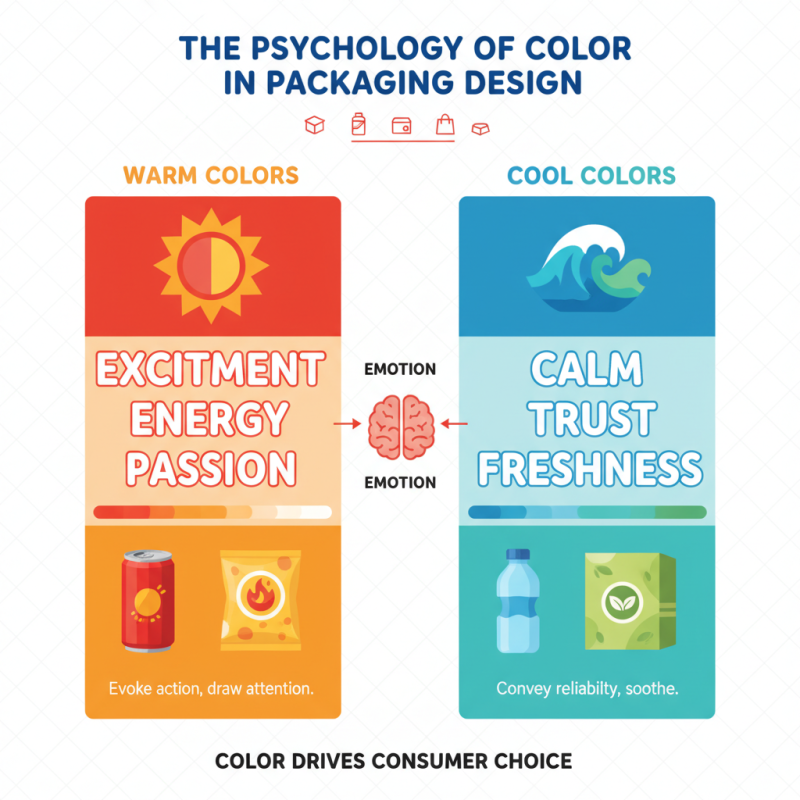
When it comes to printed packaging design, color psychology plays a vital role. Color can evoke emotions and influence consumer behavior. For instance, warm colors like red and yellow can create feelings of excitement. Cool colors such as blue and green often convey calmness and trust.
Tip: Choose colors that align with your brand’s message. This alignment can foster a stronger connection with your audience. Consumers often make quick decisions based on color. Think about the colors you see on products. Are they consistent? Do they make sense? Analyzing this can lead to new insights.
Moreover, consider how colors affect different demographics. Age, gender, and culture can alter color perceptions. A color that attracts one group might repel another. Test your designs with various audiences. This process may reveal unexpected outcomes. Sometimes what appears appealing falls flat in practice. Experimenting with different palettes can help identify the most effective choices.
Ultimately, it’s about finding the right balance. Effective packaging combines eye-catching colors with thoughtful design elements. This harmony bridges the gap between aesthetics and functionality. Keep observing consumer responses to refine your approach.
Utilizing Material Selection and Sustainability for Market Appeal
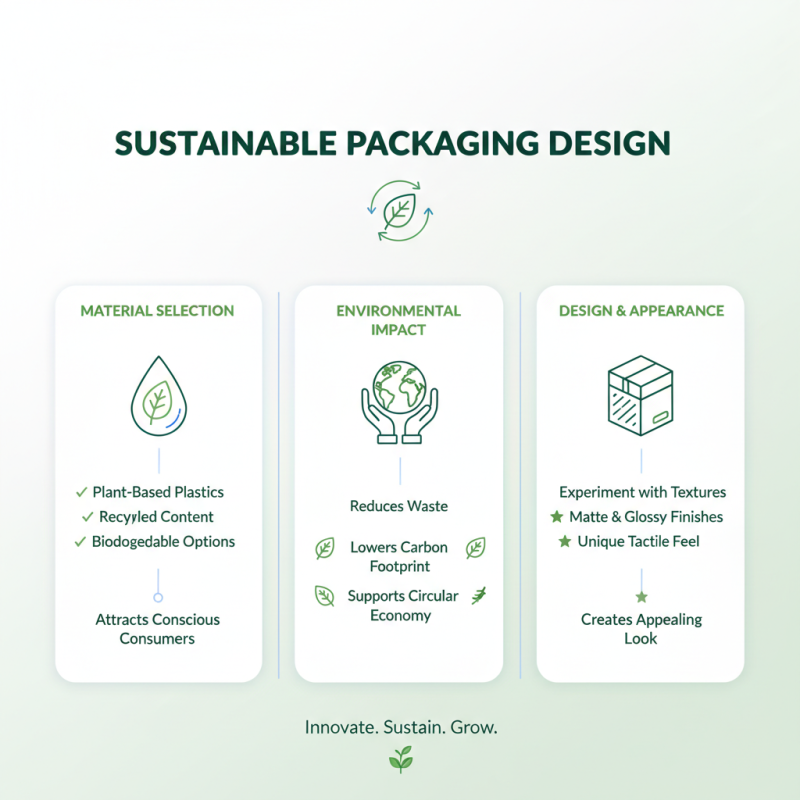
When it comes to printed packaging design, material selection is crucial. Choosing sustainable materials not only helps the environment, but it also attracts conscious consumers. Biodegradable options, like plant-based plastics, are becoming popular. Crafting packaging with recycled materials demonstrates responsibility. It’s important to experiment with different textures and finishes to give an appealing look.
Yet, many designers overlook the balance between aesthetics and sustainability. Sometimes, packaging looks great but fails to be eco-friendly. Even with good intentions, cost and availability can be challenges. It's essential to think about sourcing and lifecycle. Can your packaging decompose effectively? Reflecting on these questions can lead to better solutions.
Understanding consumer preferences is also vital. Customers increasingly demand transparency in packaging. They want to know what materials are used and their impact. Designers should create labels that highlight sustainable efforts. Communicating these choices clearly can enhance market appeal. Ultimately, blending functionality with eco-friendly practices is a journey, not a fixed destination.
Incorporating Typography and Imagery for Enhanced Visibility
Typography and imagery play a crucial role in the effectiveness of printed packaging design. According to a study by Packaging Strategies, 70% of consumers base their purchasing decisions on packaging design. This highlights the importance of visible and engaging elements.
Tip: Choose typography wisely. Bold fonts can attract attention, but they must be legible. Research shows that 95% of consumers prefer packaging that is easy to read. Overlaying text on images can enhance overall impact. However, balance is key. Too much clutter can be overwhelming.
Imagery should tell a story about the product. High-quality visuals can significantly boost engagement. A recent report by Nielsen revealed that products with eye-catching imagery see a 40% increase in sales. However, using generic stock images may dilute your brand identity. Try to use unique visuals that resonate with your audience.
Tip: Use color strategically. Studies indicate that color can increase brand recognition by up to 80%. But, it can also confuse if overused. Focus on a consistent color palette that aligns with your brand's message. In printed packaging, details matter, and mistakes can tarnish the overall presentation. Reflect on your design choices to ensure they convey the right message.
Analyzing Consumer Behavior: Data-Driven Design Strategies in Packaging
Analyzing consumer behavior is crucial in designing effective printed packaging. Consumers often respond to visual stimuli. Vibrant colors catch the eye. Simple designs can create a strong emotional connection. Packaging should reflect the product's essence while addressing consumer needs. Yet, not all designs resonate with every audience. Understanding target demographics helps refine choices.
Data-driven design strategies offer valuable insights. Collecting feedback through surveys can reveal preferences. Sales data may guide decisions on materials and textures. A/B testing different designs allows teams to assess what works best. However, relying solely on data can stifle creativity. Balancing analytics with artistic intuition is key to a successful design process. Consumers crave originality but also familiarity. Navigating this delicate balance can be challenging.
Every packaging project brings lessons. Some designs may not translate well to the market. It's a learning opportunity, driving future improvements. The iterative process of adjustment, trial, and error fuels innovation in packaging. Listening to consumer feedback and being open to change can foster impactful designs.
10 Essential Tips for Effective Printed Packaging Design - Analyzing Consumer Behavior: Data-Driven Design Strategies in Packaging
| Design Element |
Consumer Preference (%) |
Impact on Purchase Decision (%) |
Suitability for Target Demographic (%) |
| Color Scheme |
65% |
72% |
78% |
| Material Quality |
70% |
65% |
82% |
| Sustainability |
75% |
80% |
68% |
| Typography |
60% |
55% |
63% |
| Artwork and Graphics |
80% |
75% |
70% |
| Size and Shape |
55% |
50% |
58% |
| Functional Features |
68% |
70% |
64% |
| Branding Consistency |
73% |
67% |
76% |
| Information Clarity |
78% |
82% |
74% |
| Innovative Features |
62% |
66% |
60% |