How to Choose Sustainable Environmental Packaging Solutions?
As the world becomes increasingly aware of environmental issues, the choice of sustainable packaging solutions has never been more critical. According to Dr. Jane Anderson, a leading expert in environmental packaging, “Sustainable packaging is not just a trend; it’s a necessity for our planet.” This statement reflects the urgency for businesses to adopt eco-friendly practices.
Environmental packaging encompasses a wide range of materials and processes aimed at reducing waste and pollution. Companies are now challenged to find innovative solutions that minimize their carbon footprint. It can be overwhelming to navigate through various options available. Many organizations struggle with balancing cost-effectiveness and sustainability. It’s not merely about selecting biodegradable materials; understanding the entire lifecycle of packaging is essential.
Choosing the right environmental packaging requires careful consideration. Companies must evaluate the impact of their choices on both the environment and their brand image. Stakeholders are becoming more informed and demand transparency in sustainability efforts. While many companies make strides, some still fall short in their commitments. Reflecting on these practices can drive meaningful change and inspire others in the industry.

Understanding the Importance of Sustainable Packaging Solutions
Sustainable packaging is essential in today’s environment. It minimizes waste and conserves resources. Companies face increasing pressure to adopt eco-friendly solutions. Understanding sustainable packaging is vital to making informed choices.
Many materials are available, including biodegradable and recyclable options. Bioplastics are made from renewable resources, reducing reliance on fossil fuels. Recycled paper is another popular choice, as it often requires less energy to produce. However, not all “green” labels are equally effective. It’s important to research the actual impact of specific materials.
The journey to sustainability can be complex. Not every choice will be perfect. Some options may look environmentally friendly but fall short in practice. It’s crucial to balance functionality and sustainability. Regular assessments can help in refining packaging strategies. A thoughtful approach fosters long-term benefits for both the planet and business.
Identifying Environmentally Friendly Materials for Packaging
Choosing environmentally friendly materials for packaging can be challenging. Many materials claim to be sustainable, but not all uphold that promise. Consider the lifecycle of each option. Biodegradable materials break down faster than traditional plastics, yet they still require specific conditions to decompose effectively.
Recycled content is an excellent choice. Using paper or cardboard with post-consumer waste reduces the demand for virgin materials. These options often have a lower carbon footprint. However, sourcing them reliably can be tricky. Look for certifications that verify recycled content, ensuring transparency in the supply chain.
Natural materials like bamboo or corn starch can also be effective. These options are renewable and compostable. Still, they sometimes lack durability. Packaging must balance sustainability with functionality. Evaluate the trade-offs. It is crucial to consider where the materials are sourced and if their production supports local economies. Ultimately, making informed choices requires ongoing reflection on the impact of your packaging.
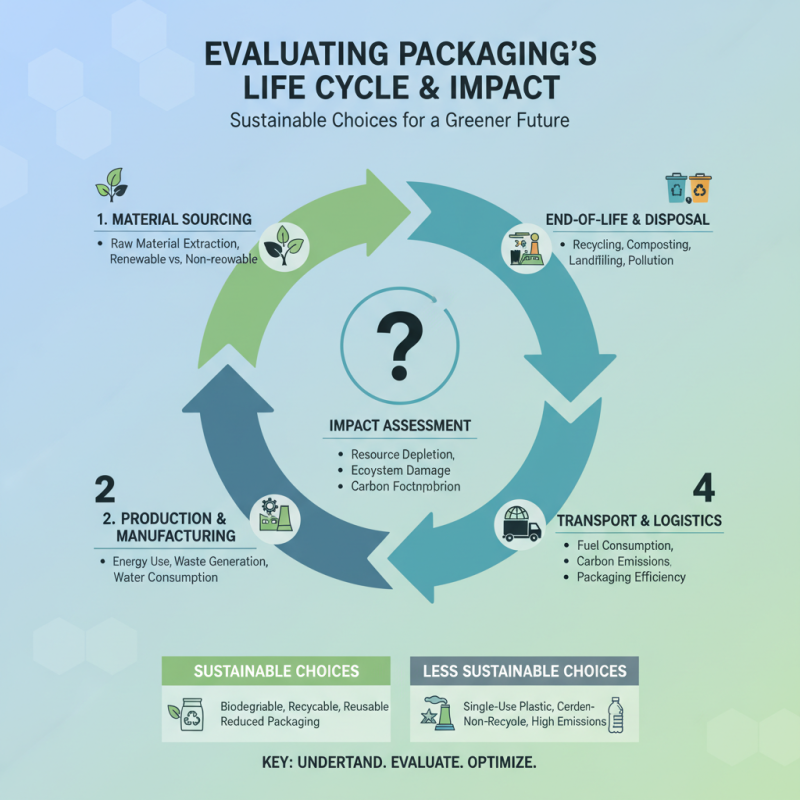
Evaluating the Life Cycle and Impact of Packaging Choices
Choosing sustainable environmental packaging requires careful evaluation. Understanding the life cycle of packaging materials is crucial. This approach helps in identifying their environmental impact from production to disposal.
Many options exist, but not all are created equal. Biodegradable materials break down more easily than traditional plastics. However, they still need specific conditions to decompose effectively. Recycling is another option, yet not all communities have robust recycling programs.
**Tips:** Think locally. Support businesses that use regional materials, reducing transportation emissions. Research the compostability of products before purchasing.
Investing time in these choices can lead to more sustainable habits. Engage with suppliers about their sourcing practices. Encouraging transparency can drive better environmental outcomes. Remember, no single solution is perfect. Each choice comes with its strengths and weaknesses. Always reflect on the broader implications of your packaging decisions.
Exploring Innovative Technologies in Sustainable Packaging
Innovative technologies in sustainable packaging are transforming the industry. Many companies explore new materials that minimize environmental impact.
Biodegradable plastics and compostable options are trending. These materials break down naturally, reducing landfill waste. Research shows that these innovations can significantly lower carbon footprints.
Incorporating recycled materials is another key trend. Using post-consumer waste helps conserve resources. However, some recycled materials lack the durability of virgin inputs. Striking a balance between sustainability and functionality remains a challenge. Consumer awareness also plays a big role. People need to understand the benefits of choosing sustainable options.
Smart technologies are emerging in this field. Digital tracking and smart labels enhance supply chain transparency. They enable companies to monitor the lifecycle of their packaging. This transparency helps consumers make informed choices. Yet, the integration of technology requires investment and knowledge. Many brands struggle to adopt these innovations effectively. It raises questions about the scalability of solutions.
Best Practices for Implementing Sustainable Packaging Strategies
Implementing sustainable packaging strategies requires careful planning and a commitment to environmental responsibility. One of the best practices involves choosing materials that are biodegradable or recyclable. Look for options made from renewable resources. These materials reduce landfill waste significantly. Simple changes can make a big difference.
Another key strategy is to optimize packaging design. Minimalist packaging reduces waste and cuts costs. Think about how to create a balance between protection and environmental impact. Not every product needs excessive cushioning. Test various designs to see what minimizes material use without sacrificing safety.
Furthermore, transparency is crucial in the supply chain. Engage suppliers who share your sustainability values. This cooperation ensures that the entire process aligns with your goals. Regular assessments of your packaging impact can reveal areas for improvement. A continuous improvement mindset can lead to innovative solutions that benefit both business and environment. Each decision counts towards a more sustainable future.
How to Choose Sustainable Environmental Packaging Solutions? - Best Practices for Implementing Sustainable Packaging Strategies
| Packaging Type |
Material Source |
Recyclability |
Biodegradability |
Life Cycle Assessment |
Cost (per unit) |
| Kraft Paper |
Renewable sources (wood pulp) |
Yes |
Yes |
Positive Impact |
$0.10 |
| PET Plastic |
Recycled plastics |
Yes |
No |
Moderate Impact |
$0.05 |
| Glass Containers |
Natural minerals |
Yes |
Yes |
Strong Positive Impact |
$0.30 |
| Aluminum Cans |
Bauxite (recyclable) |
Yes |
Yes |
Positive Impact |
$0.15 |
| Compostable Materials |
Plant-based sources |
No |
Yes |
Strong Positive Impact |
$0.25 |