Why Choosing Paper Box Packaging is Essential for Sustainable Business Practices?
In today's world, consumers are more aware of sustainability. Businesses must adapt to these changing preferences. One effective way to do this is through paper box packaging. This choice reflects a commitment to eco-friendly practices.
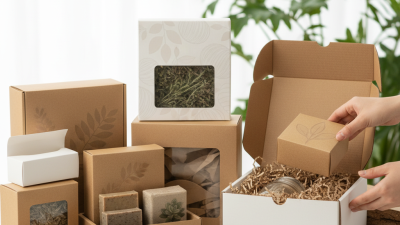
Paper box packaging is not just practical; it's a symbol of responsible sourcing. It utilizes renewable resources, reducing dependence on plastic. This shift attracts environmentally conscious customers. However, many companies still hesitate to fully embrace this change. They fear higher costs or increased operational challenges. Awareness and education are crucial in overcoming these doubts.
Choosing paper box packaging demonstrates a business's values. Customers appreciate transparency and a commitment to the planet. Yet, it's essential to acknowledge that no packaging solution is perfect. Ongoing reflection and adjustment are necessary as the market evolves. Balancing cost, functionality, and sustainability remains a challenge worth exploring.
Understanding the Environmental Benefits of Paper Box Packaging
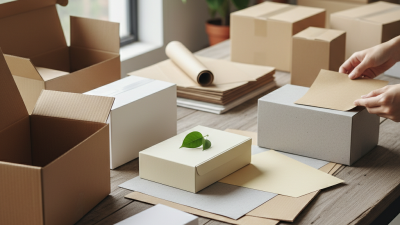
Switching to paper box packaging significantly lowers environmental impact. Paper is biodegradable and renewable. Unlike plastic, it breaks down naturally. This helps reduce landfill waste. Paper recycling further enhances its eco-friendliness. Many communities have established recycling programs, making it easier to reuse.
Paper boxes can also reduce carbon footprints. Manufacturing processes for paper are improving. Companies are using sustainable practices in sourcing. However, this transition requires commitment and diligence. Not all paper products are created equal. Some may involve harmful chemicals in production. Research and choose wisely.
The visual appeal of paper packaging adds value. Consumers often perceive it as more sustainable. This perception drives purchase decisions. While the switch to paper is promising, challenges remain. The industry must balance supply and demand. Sustainable practices should always prioritize environmental health. Embracing paper packaging can be a step toward a greener future. But companies need to remain vigilant about their choices.
Comparative Analysis: Paper Box vs. Plastic Packaging Solutions
In recent years, paper box packaging has gained attention as a more sustainable choice compared to plastic. Reports indicate that the global paper packaging market is projected to reach $500 billion by 2026. This shift highlights a growing preference for eco-friendly materials. Unlike plastic, which takes centuries to decompose, paper boxes can break down in just a few months under the right conditions.
A comparative analysis of emissions reveals critical differences. Studies show that the production of plastic generates three times more greenhouse gases than paper. This statistic underscores the environmental impact of choosing plastic over paper. However, some argue that paper production consumes more water and energy. It’s a complicated landscape. Transitioning to paper isn’t always a clear win for sustainability.
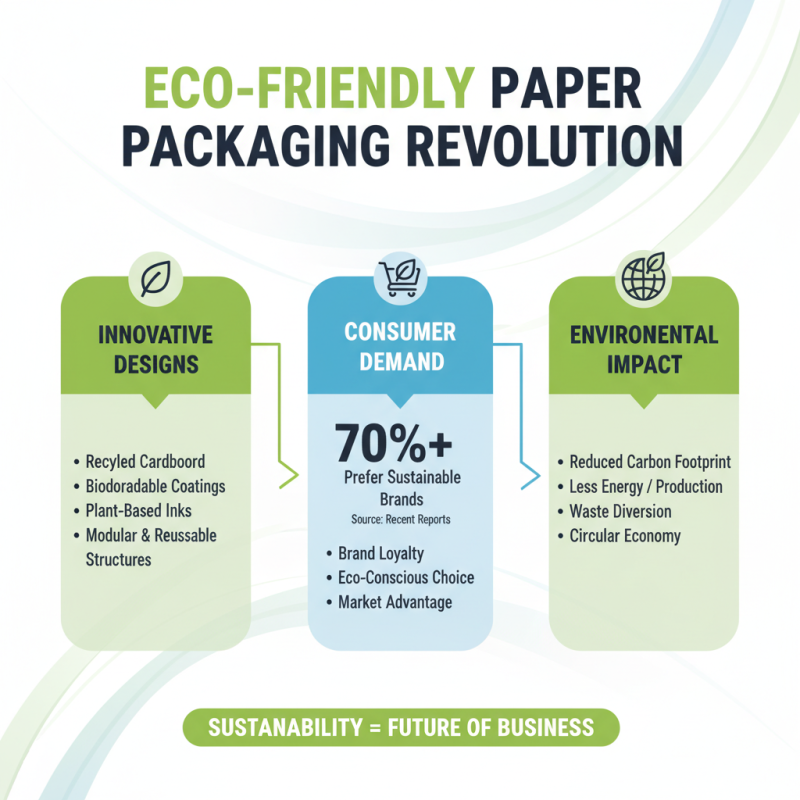
Consumer habits are evolving. A survey found that 72% of shoppers prefer products in paper packaging. This preference pushes businesses to consider the implications of their packaging choices. Yet, challenges remain. Sourcing sustainable paper and ensuring recycling practices are effective can be daunting. Companies must reflect on their practices to achieve genuine sustainability. Striving for improvement is essential in this competitive market.
The Economic Advantages of Adopting Paper Box Packaging for Businesses
Choosing paper box packaging has significant economic advantages for businesses. A recent report from Smithers Pira indicates that the global market for paper packaging is expected to reach $500 billion by 2025. This growth is largely due to the increasing consumer preference for sustainable materials. Companies adopting paper packaging can tap into this expanding market, which is driven by eco-conscious buyers.
Additionally, the production of paper boxes often requires less energy compared to plastic. According to a study from the Paper and Paperboard Packaging Environmental Council, switching to paper can reduce energy consumption by up to 40%. This not only lowers operational costs but also enhances corporate responsibility. Many consumers are willing to pay more for products with eco-friendly packaging. This shift means higher potential profit margins for businesses that make the switch.
Despite the benefits, some challenges remain. Paper packaging can be prone to moisture and damage. Companies need to invest in better designs and materials to mitigate this. While going green is essential, it’s vital to ensure that the transition is smooth and efficient. Balancing cost, sustainability, and functionality is necessary for truly successful business practices.
Economic Advantages of Adopting Paper Box Packaging
This chart illustrates the economic benefits of adopting paper box packaging over traditional plastic packaging for businesses.
Consumer Perceptions and Demand for Sustainable Packaging Options
The demand for sustainable packaging has soared in recent years. A report by Smithers states that the global sustainable packaging market will reach $500 billion by 2027. Consumers are increasingly leaning towards brands that prioritize eco-friendly materials. A survey revealed that 72% of consumers are willing to pay more for sustainable packaging options. This shift reflects a significant change in consumer perceptions.
Tips: Aim for minimal material use. Every small step counts. Leveraging paper box packaging can be a game-changer for brands. It not only reduces plastic waste but also showcases a commitment to sustainability. However, not all brands implement this effectively. Some still use mixed materials that are harder to recycle.
Environmental concerns often weigh on the minds of consumers. Many worry about excessive waste and pollution. Brands should consider transparent practices. Engaging with consumers about sourcing and recycling options is vital. Building trust through clarity can enhance brand loyalty. After all, consumers today seek authenticity in their choices.