How to Choose the Best Art Print Packaging for Shipping?
When shipping art prints, choosing the right packaging can make all the difference. Art print packaging not only protects the artwork but also enhances its presentation. High-quality packaging ensures that the prints arrive in pristine condition. This requires careful planning and thoughtfulness.
Consider the dimensions of the print. Ensure that the packaging is well-fitted, avoiding excessive space that could lead to shifting. Use rigid materials, such as cardboard or plastic sleeves, to prevent bending. Bubble wrap and foam can also provide effective cushioning. These details matter greatly in the overall protection of the artwork.
Remember, it’s not only about safeguarding the print. The aesthetic of the packaging can influence customer experience. An eye-catching design or a personal touch can leave a lasting impression. However, always reflect on your choices. Sometimes, less is more. Simple, clean packaging can convey professionalism and care. Take time to review your materials and methods regularly to ensure you’re providing the best possible service.
Understanding the Importance of Proper Art Print Packaging
Art print packaging plays a crucial role in ensuring that your artwork reaches its destination safely. Proper packaging protects the prints from moisture, dirt, and physical damage during transit. Neglecting this aspect can lead to costly replacements or unhappy customers. Considering the value of art, the right packaging is essential.
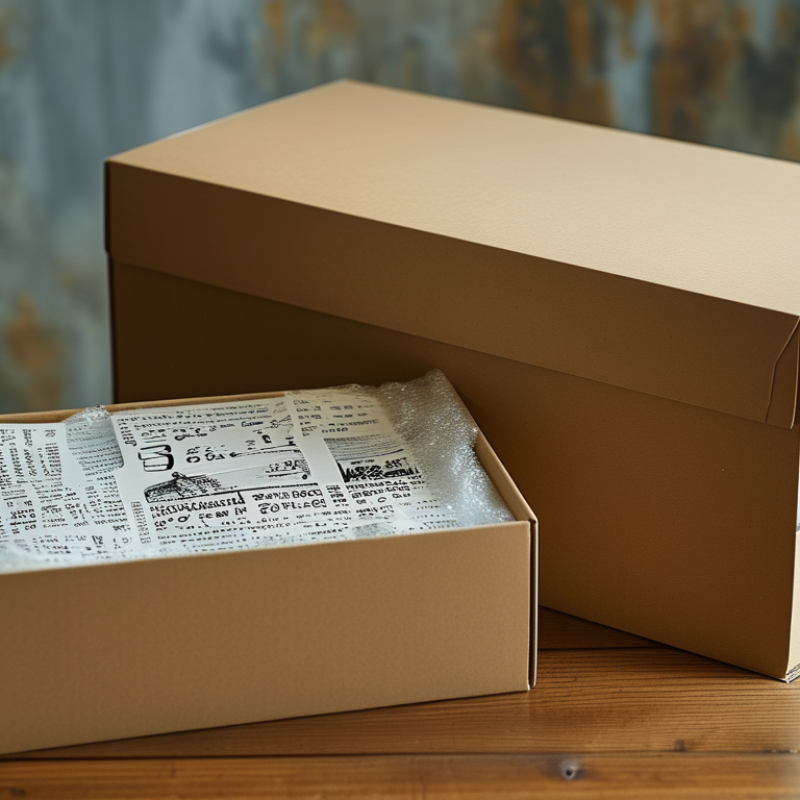
One important consideration is the material of the packaging. Use sturdy cardboard boxes or rigid tubes for prints. They provide robust protection and prevent bending. Make sure to include additional layers, such as bubble wrap, to cushion the prints. This extra step adds not only security but also peace of mind.
Take care when sealing packages. Use quality tape to secure all openings. A poorly sealed package can become compromised during shipping. Additionally, labeling is vital. Clearly mark the package as "Fragile" to alert handlers. This simple action can significantly decrease the risk of damage. Reflect on the entire packaging process. Small details, like including a thank-you note, can enhance the customer experience and foster loyalty.
Types of Materials for Art Print Packaging
Selecting the right materials for art print packaging is crucial. Avoiding damage during shipping protects the artwork and enhances customer satisfaction. A report from the Packaging Association indicates that 30% of art prints are damaged due to poor packaging. This makes the choice of materials essential for artists and sellers alike.
Cardboard is a highly recommended option for sturdiness. It provides a rigid structure, ideal for safeguarding prints. Use corrugated cardboard for added protection. For lighter prints, flat mailers made from cardstock are sufficient but may require additional reinforcement. Another option is bubble wrap, which is effective in cushioning prints during transit. It prevents bending and physical impact, ensuring that prints arrive in pristine condition.
When selecting packaging materials, consider sustainability. Eco-friendly options are increasingly preferred by customers. According to a recent survey, 70% of consumers are willing to pay more for eco-conscious packaging. Partially recyclable materials, like biodegradable bubble mailers, can be a good compromise for protecting art while being mindful of the planet. Always evaluate your specific needs and test different materials to find what works best for your prints.
Step-by-Step Guide to Packing Art Prints Safely
Packing art prints for shipping can be a meticulous process. The right materials are crucial for ensuring they arrive undamaged. Begin by selecting a sturdy, flat box that provides enough room for your prints. When possible, choose a box that’s slightly larger than the print size. This extra space allows for cushioning and protection against impacts.
Use acid-free tissue paper to wrap each print individually. This paper prevents moisture from damaging the art. Next, place a sturdy cardboard sheet on both sides of the prints. This adds an extra layer of protection against bending. Filling the box with bubble wrap or packing peanuts will help keep everything secure during transit.
Sealing the box securely is vital. Use strong packing tape along all seams. Avoid cheap tape that could fail. Label the box as “fragile” to alert handlers to take care while transporting. Reflect on the choices made during the packing process. Did you use enough cushioning? Are the prints adequately protected? Anticipating potential issues ensures a more reliable shipping experience.
How to Choose the Best Art Print Packaging for Shipping? - Step-by-Step Guide to Packing Art Prints Safely
| Packaging Material |
Advantages |
Disadvantages |
Best Use Case |
| Cardboard Tubes |
Excellent protection against bending |
Bulky and may incur higher shipping fees |
For rolled prints |
| Flat Mailers |
Slim profile, cost-effective shipping |
Less protective for thicker prints |
For flat prints |
| Plastic Sleeves |
Water-resistant and lightweight |
Not rigid, may not prevent bends |
Protecting prints during storage |
| Foam Board |
Rigid and provides cushioning |
Heavier and may increase shipping costs |
For high-value and delicate prints |
| Bubble Wrap |
Provides excellent cushioning |
Can be bulky when used excessively |
To wrap items before placing in a mailer |
Choosing the Right Size of Packaging for Your Art Prints
When selecting packaging for art prints, size plays a crucial role. Many artists overlook how improper sizing can harm their work during transit. According to a report by the Packaging Machinery Manufacturers Institute, around 30% of packages are damaged due to inadequate protection. Choosing a size that closely matches your prints helps minimize movement within the packaging, reducing the risk of bends and creases.
Custom-sized boxes or envelopes can be beneficial. The right size prevents the print from shifting, ensuring its condition remains pristine upon arrival. A study by the American Institute for Packaging and the Environment found that 40% of shippers reported that custom packaging significantly decreases damage claims. While these options might incur additional costs, the investment safeguards your artwork's integrity and enhances customer satisfaction.
Size considerations also extend to materials. Use sturdy options, such as rigid mailers for flat prints. These are essential for preventing damage during transit. Many artists have experienced the disappointment of receiving their work damaged, which highlights the importance of choosing the right packaging size. Ensuring a snug fit can make all the difference.
Tips for Shipping Art Prints to Minimize Damage
When shipping art prints, the right packaging is essential to minimize damage. A sturdy, unbendable tube or flat rigid envelope works well. Using a protective layer around the print, like acid-free tissue paper, can provide an extra buffer against abrasions. Ensure each piece is secured with cardboard sheets to prevent bending during transit.
Proper sealing also matters. Use high-quality tape to seal edges securely. It's crucial not to leave any gaps that might allow movement. Bubble wrap can be effective, but also be cautious about overpacking. While it offers protection, excessive padding might create pressure points. Pay attention to how the print fits in the package; it should have a snug fit without too much compression.
Labeling is another critical aspect. Clear indications of "Fragile" or "Do Not Bend" can guide handlers. Yet, not all shipping services prioritize these labels. Reflect on your shipping choices regularly. You might discover improved methods or materials that align better with your needs over time. Always consider getting feedback from recipients to enhance your packaging strategy.