10 Best Ways to Design Your Own Packaging for Unique Brand Identity?
In today's competitive market, brands recognize that unique packaging is crucial for standing out. An impressive 72% of consumers say packaging influences their purchasing decisions. As brands strive to create memorable experiences, the concept to "design your own packaging" gains traction. Packaging doesn’t just protect; it conveys a story that resonates with consumers.
Expert packaging designer Sarah L. emphasized this point, stating: "Good packaging is not just about looks; it’s about creating a connection." This approach fosters brand loyalty while allowing businesses to express their identity. However, many brands fall short of integrating their values into their designs, often focusing too heavily on aesthetics without considering functionality.
Striking a balance between creativity and practicality is vital. Brands should evaluate their audience’s preferences and environmental impact as they design their packaging. There is room for improvement, as neglecting these elements can hinder a brand's growth. By thoughtfully crafting their packaging, businesses can boost their market presence and build lasting relationships with customers.
Understanding the Importance of Packaging in Brand Identity
Packaging plays a crucial role in shaping brand identity. A well-designed package not only protects the product but also creates a lasting impression. Research shows that 72% of consumers say packaging design influences their purchasing decisions. Eye-catching packaging can make a product stand out on crowded shelves. It’s an opportunity to communicate brand values, which consumers increasingly prioritize.
However, some brands overlook the importance of packaging. They slap on generic designs, missing out on the chance to connect with their audience. In fact, according to a recent study, poor packaging can lead to a 30% decrease in customer interest. This highlights the need for thoughtful design. Unique packaging can tell a story, evoke emotions, and essentially reflect what the brand stands for.
Also, sustainability is becoming a priority. About 62% of people now prefer sustainable packaging. Brands that fail to adapt might alienate their customers. Experimenting with materials or designs can lead to improvement but requires careful consideration. Balancing aesthetics with functionality is tricky yet necessary. Reflecting on these aspects can transform packaging from a mere necessity into a powerful branding tool.
Identifying Your Brand Values and Target Audience
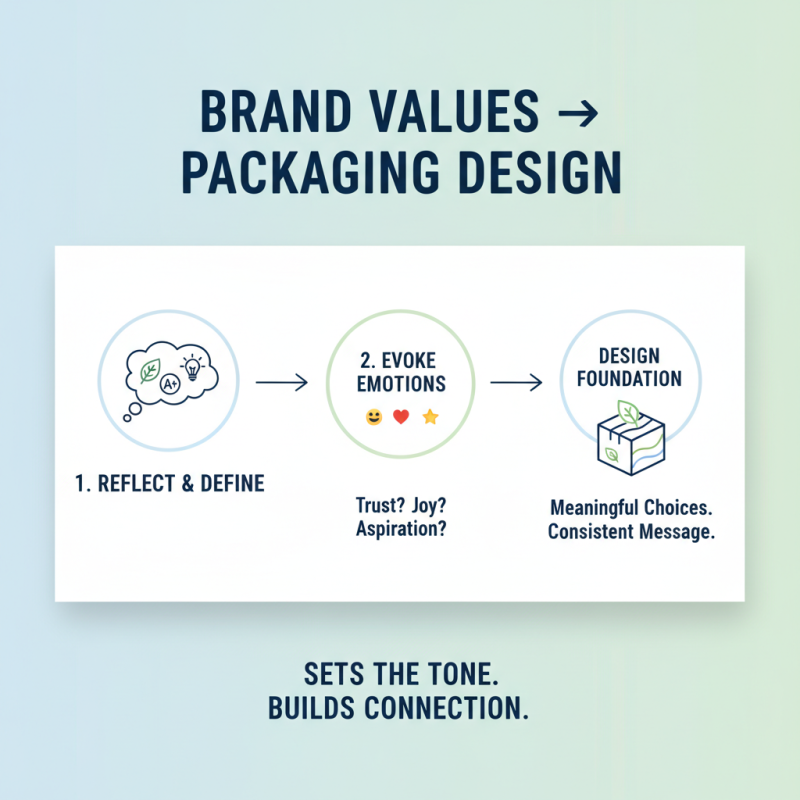
Identifying your brand values is crucial. It sets the foundation for your packaging design. Start by reflecting on what your brand truly stands for. Is it sustainability? Innovation? Quality? Write these down. Think of the emotions you want to evoke. They can inspire design choices.
Next, understand your target audience. Who are they? What do they value? Conduct surveys or focus groups to gather insights. Use this information to inform your design. For example, if your audience values sustainability, consider eco-friendly materials and minimalistic designs. But don’t strive for perfection; some choices may challenge your initial ideas. Evolution often comes from mistakes.
Lastly, consider the details that resonate with your audience. Colors, textures, and typography can convey brand identity. A vibrant color palette may attract younger consumers. Alternatively, a muted design may appeal to a more mature crowd. Reflect on these aspects as they can shape perceptions. Sometimes, it’s crucial to revisit your initial ideas and refine them.
Choosing Materials and Shapes that Reflect Your Brand
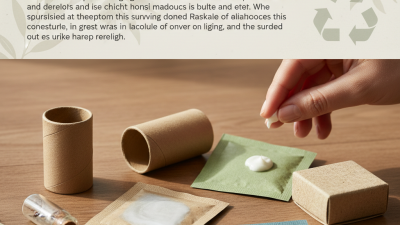
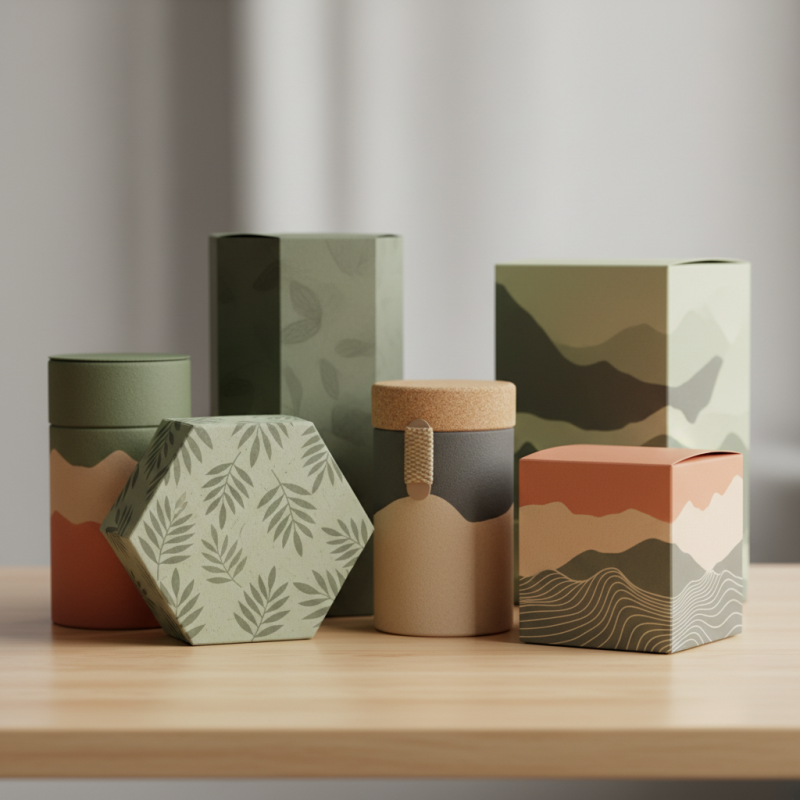
Choosing the right materials for your packaging is crucial. Your materials should tell a story that resonates with your brand's identity. For instance, if sustainability is a core value, recycled or biodegradable materials can enhance your brand image. Consider using textures that evoke emotion or connect with your audience. A soft touch or a matte finish can create a memorable experience.
Tips: Experiment with various materials. Sometimes, a mix of different options can create a unique look. Don’t be afraid to make mistakes. Each failure is an opportunity to learn. Collect feedback from your customers. Their insights can guide you in refining your choices.
Shapes also play a pivotal role. Unconventional shapes can grab attention and set your brand apart. Think outside the box when designing your packaging. A unique silhouette may leave a lasting impression. However, practicality is key. Keep usability in mind to avoid frustrating your customers. Striking a balance between creativity and functionality is essential.
Tips: Test your packaging designs with focus groups before final production. This could reveal unforeseen issues. Remember, perfection isn’t the goal—authenticity is. Stay true to what your brand represents while being open to change.
10 Best Ways to Design Your Own Packaging for Unique Brand Identity
| Design Element |
Material Type |
Shape |
Color Scheme |
Sustainability |
| Minimalist Design |
Recycled Paper |
Rectangular |
Monochrome |
Yes |
| Vintage Look |
Kraft Paper |
Cylindrical |
Earth Tones |
Yes |
| Artistic Prints |
Biodegradable Plastic |
Unique Shapes |
Bright Colors |
Yes |
| Luxury Feel |
Foil Stamping |
Square |
Gold and Black |
No |
| Interactive Packaging |
Sustainable Cardboard |
Custom Designs |
Vibrant Colors |
Yes |
Creating Eye-Catching Designs with Color and Graphics
Color and graphics play a crucial role in packaging design. A unique color palette can make your brand stand out. Think about the emotions certain colors evoke. For example, warm colors like red and orange can create excitement. Cool colors such as blue and green often convey calmness. Choose colors that reflect your brand’s identity. This choice should resonate with your target audience.
Graphics are equally important. They tell a story without using words. Consider using bold images or patterns that relate to your product. Minimalist designs can sometimes be just as powerful. They often allow the colors to shine. Remember, your packaging is a first impression. It speaks volumes about your brand. Reflect on whether your design aligns with your brand's message.
Creating eye-catching designs isn’t easy. It takes time and patience. You may find that some designs don't work as expected. That’s okay. Use feedback to improve your designs. Testing different elements can lead to surprising results. Creating unique packaging is a journey of trial and error. It's about finding what truly represents your brand in a crowded market.
Incorporating Sustainability and Innovation in Packaging Design
Sustainability in packaging design has become crucial for brands. In 2023, research showed that 73% of consumers prefer eco-friendly packaging. This shift highlights the need for brands to innovate while maintaining their unique identity. Many companies use materials like recycled paper and biodegradable plastics. These options not only reduce waste but also resonate with environmentally conscious shoppers.
Tips for sustainable packaging include using minimalist designs. This approach reduces material usage. Consider incorporating plant-based inks and adhesives. They are often more sustainable than traditional options. Moreover, focus on reducing the overall size of packages. Smaller packages require fewer resources and lower transportation costs.
Innovation can also come from engaging customers in the design process. Surveys indicate that 61% of consumers appreciate personalized packaging. Crowdsourcing feedback during design stages can foster loyalty and align with sustainability goals. However, it’s important to note that not all innovations translate effectively. Brands should constantly reflect on their packaging’s environmental impact. Testing different materials and designs can lead to more sustainable options over time.