Top 10 Benefits of Printed Packaging for Global Buyers?
Printed packaging plays a crucial role in the global market, influencing consumer choices and brand perception. According to a report by Allied Market Research, the printed packaging market is projected to reach $500 billion by 2025. This growth reflects the rising demand for sustainability and aesthetic appeal in packaging solutions. An industry expert, Dr. Emily Harper, emphasizes the impact of printed packaging, stating, "Effective packaging goes beyond protection; it communicates brand values and engages consumers."
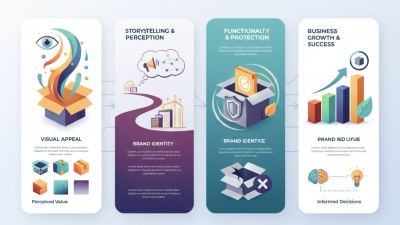
The benefits of printed packaging extend beyond mere utility. It shapes the customer experience through visual storytelling and brand identity. In a world where first impressions matter, packaging has become a silent ambassador of a brand's message. Innovative designs can attract attention and enhance shelf presence, driving sales. However, not all printed packaging meets these standards, prompting concerns about quality and sustainability. The challenge lies in balancing attractive design with eco-friendly materials.
As buyers navigate an expansive marketplace, understanding the nuances of printed packaging is essential. It influences purchasing decisions and fosters brand loyalty. Yet, many companies may overlook the importance of investing in high-quality printed packaging. As the market evolves, ongoing reflection and adaptation are vital for staying competitive and meeting consumer expectations.
Benefits of Printed Packaging in Brand Recognition and Visibility
Printed packaging plays a crucial role in brand recognition and visibility. When designed effectively, it acts as a visual extension of the brand. Eye-catching colors and unique designs grab consumer attention. Bright, bold patterns can set a product apart on crowded shelves. Every detail matters; from typography to imagery, every element communicates a brand's message. This visual language fosters an emotional connection with consumers.
Effective printed packaging can enhance customer recall. A memorable design makes it easier for consumers to remember and choose a product. This can lead to repeat purchases and brand loyalty. However, not all packaging achieves this goal. Some designs can be overwhelming or confusing. It's important to find a balance that resonates with the target audience. Testing different designs can provide valuable insights into what works best.
In certain markets, sustainability in printed packaging is increasingly important. Eco-friendly materials not only appeal to conscious consumers but also improve brand image. Brands that prioritize sustainability show responsibility. This can elevate a brand's standing in competitive markets, but it requires thoughtful planning. Ultimately, it’s about creating packaging that is not just attractive but also meaningful. Striking this balance can be a learning curve for many brands.
Enhancing Product Protection through Innovative Printed Packaging Solutions
Printed packaging plays a crucial role in enhancing product protection. Innovative designs integrate advanced materials that cushion and shield products during transport. According to a report by Smithers Pira, the global market for printed packaging is projected to reach $450 billion by 2024. This growth reflects a rising demand for safe and reliable packaging options.
Structural integrity is essential for preventing damage. Printed packaging can include custom trays, padding, or even rigid boxes that adapt to various product shapes. Research indicates that well-designed packaging can reduce damage rates by up to 30%. However, brands must also consider sustainability. While enhancing protection, many packaging materials still contribute to waste. Finding a balance between protection and environmental impact remains a challenge.
Consumer expectations are evolving. Shoppers want not only safety but also aesthetic appeal. Attractive printed packaging can influence purchasing decisions, increasing sales by 20% in some cases. Yet, the pressure to stand out often leads to overspending on materials. Companies should reflect on whether the added costs align with their brand values and customer experiences.
Sustainability Practices in Printed Packaging for Eco-Conscious Buyers
Sustainable printed packaging has become essential for eco-conscious buyers. The use of recyclable materials is one key practice. Many companies are turning to paper-based alternatives. These materials often have lower environmental impacts. For example, biodegradable inks and adhesives are becoming more common. They reduce harmful residues, making disposal safer.
Another crucial element is life-cycle assessment. This process evaluates the environmental impact of packaging from creation to disposal. It helps companies make informed choices. Transparency is vital. Consumers want to know how their products impact the planet. Engaging in sustainability not only meets buyer demands but also promotes brand loyalty.
Nonetheless, achieving sustainability is challenging. Many brands face difficulties sourcing eco-friendly materials. There are trade-offs between cost and environmentally friendly options. Brands must balance quality with sustainability. Some may prioritize aesthetics over function. This raises questions about true commitment to eco-friendly practices. It highlights a need for continued reflection in the industry.
Cost-Effectiveness of Printed Packaging for Global Market Competitiveness
Printed packaging plays a crucial role in the global marketplace. Its cost-effectiveness drives brands to choose it over other options. Companies often face high costs. Yet, printed packaging can help reduce these expenses significantly. It gives products a competitive edge without breaking the bank.
The vivid designs and customizations attract consumers. Eye-catching packaging can increase sales and brand recognition. This connection can lead to a loyal customer base. While printed packaging is effective, there can be issues. Quality may vary based on the materials used. Brands must carefully select reliable suppliers to ensure consistency. Compromises in quality might hurt brand reputation.
Economically, printed packaging can streamline distribution. It makes products easier to identify and track. In contrast, poor packaging can lead to waste and added costs. Brands often overlook the fragility of some designs. Despite its benefits, careful evaluation is necessary. The goal is to balance aesthetic appeal with functionality. Businesses must invest time to explore the right options for their market needs.
Cultural Relevance and Customization in Printed Packaging Designs
Cultural relevance plays a vital role in printed packaging. It resonates with consumers in diverse markets. When brands understand local customs, their packaging speaks directly to the audience. Colors and symbols vary across cultures. A design that works in one region may fall flat in another. Thoughtful design can inspire emotional connections. It bridges gaps between products and their users.
Customization further enhances printed packaging. Tailoring designs to reflect local tastes greatly increases appeal. For instance, incorporating local art or familiar motifs attracts attention. This level of detail can elevate the unboxing experience. It is about more than just aesthetics; it fosters brand loyalty. However, brands must be cautious. Overly complex designs can dilute clarity. They must balance creativity with functionality to ensure the message is clear.
While aiming for cultural relevance and customization, some companies might miss the mark. Poor research can lead to missteps. It’s essential to involve local experts during the design process. Their insights can prevent misinterpretations. Ultimately, understanding the audience’s needs can be challenging. But it is a vital step toward successful printed packaging.