2026 Top Trends in Art Print Packaging Innovations and Sustainability?
In recent years, art print packaging has gained immense importance. Artists and brands seek innovative ways to present their work. The right packaging not only protects prints but also enhances their appeal. As sustainability becomes a priority, the art community faces challenges.
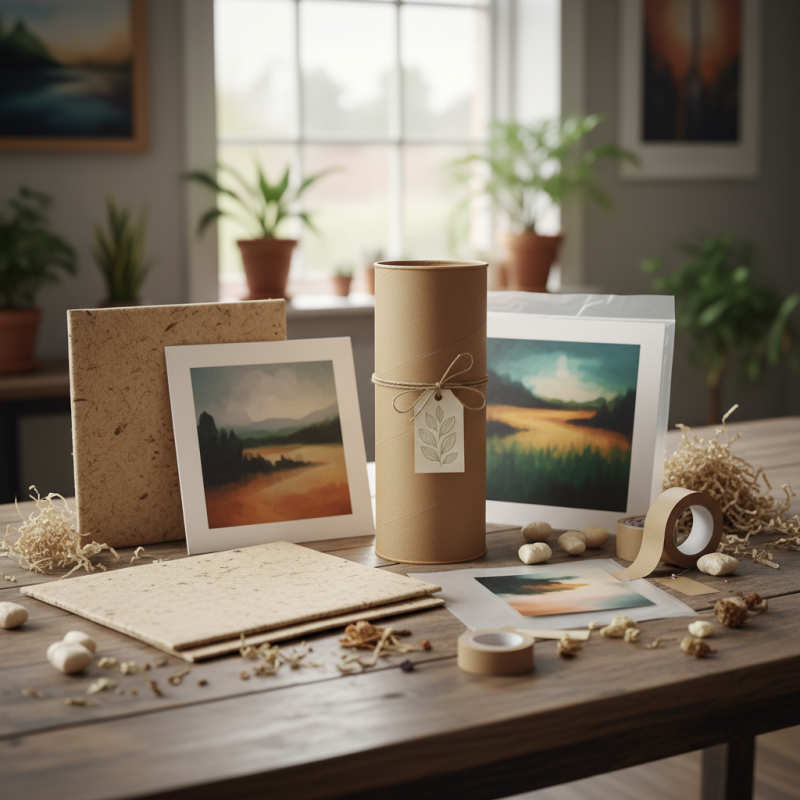
The trend towards eco-friendly materials is transforming art print packaging. Many artists experiment with recycled and biodegradable options. However, the balance between aesthetics and sustainability is complex. Some materials may not achieve the desired effect, leaving artists frustrated.
Improving art print packaging requires continuous reflection. The industry must consider long-term impacts on the environment. Brands should prioritize sustainable practices while avoiding the pitfalls of “greenwashing.” The journey is not perfect, but it's essential for a better future. By embracing innovation, the art print market can thrive sustainably.
Emerging Technologies in Art Print Packaging for 2026
The future of art print packaging is evolving rapidly with emerging technologies. In 2026, we will see advanced materials that replace traditional plastics. Biodegradable films and plant-based inks will dominate the scene. These options are more sustainable and environmentally friendly.
Digital printing technologies offer enhanced customization. Artists and brands can create unique packaging designs effortlessly. However, the cost of adopting these technologies can be daunting. Small creators may struggle to keep up with the trends.
Smart packaging features are also on the rise. Integrating QR codes or NFC chips can connect consumers to digital content. This creates a deeper experience with the art. Yet, not every artist may find this necessary. Balancing innovation with cost is crucial. As we move forward, reflection on impact remains essential.
Sustainable Materials Transforming Art Print Packaging
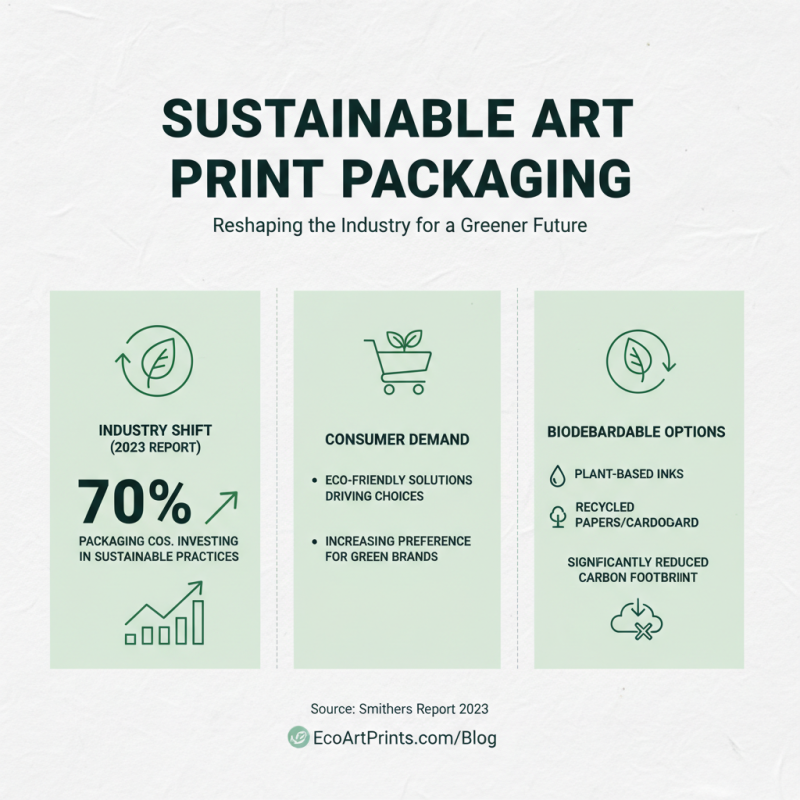
Sustainable materials are reshaping the art print packaging industry. A 2023 report by Smithers indicates that over 70% of packaging companies are investing in sustainable practices. This trend reflects an increasing consumer demand for eco-friendly solutions. Biodegradable options, like plant-based inks and recycled papers, are gaining traction. These alternatives significantly reduce the carbon footprint associated with traditional materials.
Interestingly, not all sustainable practices yield the expected benefits. Some recycled materials may not offer the same durability. This can lead to higher material use over time, negating initial environmental gains. Artists and producers must balance aesthetics with sustainability. A shift in packaging must consider both visual appeal and ecological impact. The transition requires ongoing research and innovation to foster meaningful change.
Data from the Global Packaging Alliance reveals that emerging brands are increasingly opting for minimalistic designs. This approach not only saves material but also appeals to conscious consumers. However, achieving a balance can be challenging. Some companies find it hard to switch to eco-friendly materials without compromising their branding. Striking this balance is essential for long-term sustainability.
Design Innovations Enhancing Aesthetic Appeal in Packaging
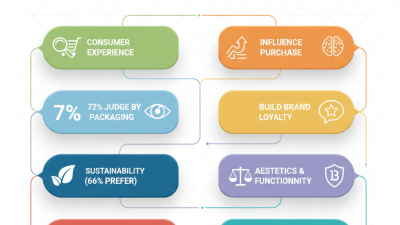
In 2026, art print packaging innovations focus heavily on aesthetic appeal. The packaging plays a crucial role in product presentation. Research indicates that 72% of consumers judge products by their packaging design. This statistic shows the importance of visual impact. Unique shapes, textures, and colors attract buyers. Designers experiment with eco-friendly materials. They aim to balance beauty and sustainability.
Recent reports highlight that 62% of consumers prefer environmentally friendly packaging. Designers now prioritize recycled and biodegradable materials. Creative graphics and artistic elements blend functionality with appeal. Vibrant colors and innovative finishes entice customers. However, some designs may be impractical. Overly elaborate structures can complicate recycling efforts. This raises concerns among sustainability advocates.
The challenge is to create beautiful packaging that remains functional. Studies show that 80% of startups struggle with effective packaging. Designers must consider both aesthetics and usability. The trend is moving towards minimalism, yet creativity must not be sacrificed. Maintaining a balance between art and practicality remains a critical area for reflection. The future will demand adaptability in design thinking.
2026 Top Trends in Art Print Packaging Innovations and Sustainability
Consumer Preferences Driving Sustainable Art Packaging Solutions
Recent trends highlight a shift toward sustainable art packaging solutions, driven by consumer preferences. The global art market continues to evolve, and sustainability has become a key factor. In a recent survey, 73% of consumers indicated they prefer brands offering eco-friendly packaging. This trend reflects a broader commitment to environmental consciousness.
However, the challenges in sourcing sustainable materials persist. Many packaging options, while eco-friendly, struggle with durability. A study by the Sustainable Packaging Coalition showed that nearly 40% of consumers have encountered damage due to inadequate packaging. Brands must balance sustainability with practicality. Lightweight materials can minimize carbon footprints but often compromise protection during shipping.
Moreover, innovation in design cannot overlook the aesthetics that consumers demand. According to Art Basel, 56% of collectors believe packaging enhances the overall value. Striking the right balance between sustainable materials and visual appeal remains critical yet complex. Artists and producers may need to rethink their approach, ensuring that their choices meet consumer expectations and environmental standards.
The Role of Regulations and Standards in Packaging Sustainability
As art print packaging evolves, regulations play a crucial role in promoting sustainability. Many countries are now establishing stricter guidelines. These laws guide manufacturers in reducing waste and promoting eco-friendly materials. Compliance can be challenging. Some companies struggle to meet these standards while keeping costs down.
Standards for sustainable packaging often vary. This inconsistency can confuse small businesses trying to align with regulations. The pressure to innovate while adhering to diverse rules can stifle creativity. Additionally, many businesses still rely on traditional materials. Shifting to sustainable options may require extensive trials.
Innovation is necessary but not always straightforward. Collaboration between stakeholders can drive better practices. Sharing knowledge about sustainable materials can offer real solutions. Yet, many companies fear the unknown. Without clear regulations, the path to sustainable packaging remains complex and daunting.